
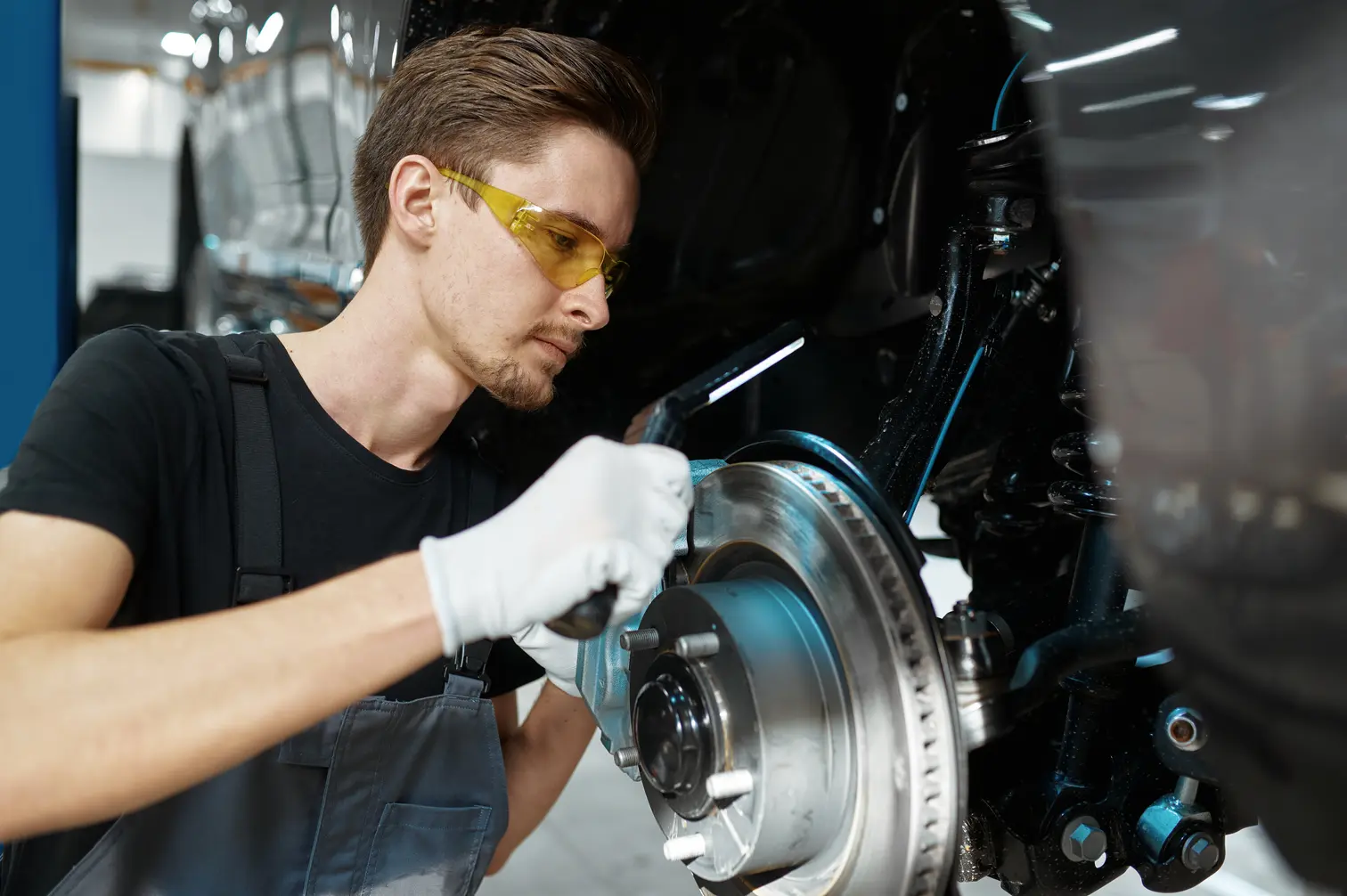
What happens during a brake inspection? Mechanics check pad thickness, rotor condition, calipers, brake fluid, and overall system safety to identify issues early.
What to Look for in an Auto Repair Shop Before You Hand Over Your Keys
Choosing where to take your car shouldn’t feel like a gamble. Yet for many drivers, handing over the keys to an unfamiliar shop comes with a knot in the stomach — a mix of hope and uncertainty. We get it. At Tower Service Station, we’ve spent over 60 years building a reputation on the Hamilton Mountain by being the kind of shop people come back to, not the kind they warn their neighbours about. But whether you’re walking through our doors or someone else’s, every driver deserves to know what separates a trustworthy repair shop from one that doesn’t have your best interests at heart.
Here’s what to look for before you commit.
Certifications and Technician Qualifications Actually Matter
It might seem obvious, but the qualifications of the people touching your vehicle are the single most important factor to vet. Trained, licensed technicians are not optional — they are the baseline.
A reputable shop will have no hesitation telling you about the credentials of their staff. Ask whether their technicians are licensed and whether they receive ongoing training. Modern vehicles, especially hybrids and fuel-efficient models, involve sophisticated electronic systems that require up-to-date diagnostic knowledge. A shop that invested in this field a decade ago but hasn’t updated its training or equipment since is a shop running on borrowed credibility.
A skilled mechanic will explain not just what is wrong with your vehicle, but why — and what happens if it goes unaddressed.
Certifications to look for include those from recognized industry bodies such as the Automotive Service Excellence (ASE) program or provincial licensing requirements in your region. In Ontario, that means technicians should hold a valid Certificate of Qualification.
Transparent Communication and Written Estimates
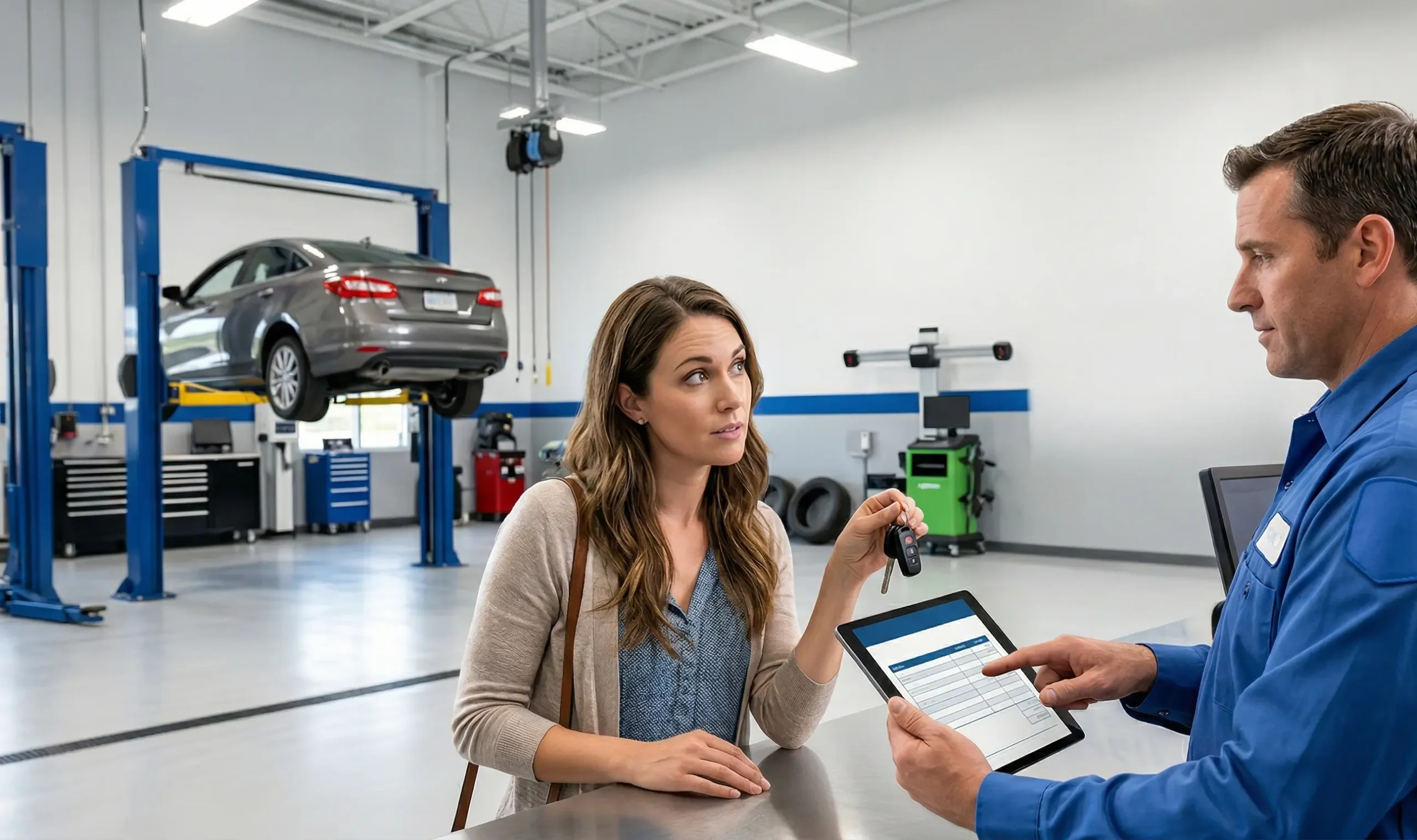
This is where good shops reveal themselves almost instantly. Before any work begins, a trustworthy auto repair shop will provide a written estimate that clearly outlines the cost of parts, labour, and any applicable taxes. If a shop resists putting numbers in writing, that resistance is telling you something important.
Watch for these green flags when it comes to communication:
- A written estimate is offered without you having to ask
- The shop calls to explain findings before starting any work
- Costs are broken down by labour and parts separately
- You are told whether parts are OEM (Original Equipment Manufacturer) or aftermarket
- No additional work is performed without your explicit approval
A shop that volunteers information about what your car needs — and what it doesn’t need yet — is one that values the relationship over the transaction.
If a service advisor seems rushed, vague, or dismissive of your questions, take note. Clear, unhurried communication is a hallmark of a shop that respects its customers.
Digital Inspections and Modern Diagnostic Equipment
It’s no longer enough for a mechanic to crawl under your vehicle and give a gut-feel assessment. The diagnostic tools a shop uses say a great deal about how seriously they take accuracy.
The best shops use computerized diagnostic equipment to pinpoint issues quickly and correctly. A flashing check engine light, for example, carries very different implications than a steady one — and only up-to-date equipment can decode what your vehicle’s computer is actually reporting. Beyond engine codes, modern diagnostics can assess everything from ABS performance to fuel system health, giving technicians a clearer picture of your vehicle’s overall condition.
Beyond that, look for shops that offer digital vehicle inspections. These reports give you a transparent, documented overview of your vehicle’s condition — often with photos and notes you can review on your phone. This kind of documentation removes ambiguity and makes it far harder for any shop to fabricate problems or inflate repairs.
When a shop hands you a full digital condition report after every visit, it signals that they want you to see exactly what they found — and that they have nothing to hide.
Reputation, Reviews, and Word of Mouth
Before you step foot in any shop, do your homework. A shop’s reputation in the community is one of the most reliable indicators of how it will treat you.
Look into:
- Google reviews and ratings (focus on patterns, not just individual reviews)
- Responses from the shop to negative feedback — professionalism here matters
- Recommendations from friends, family, or local community groups
- How long the business has been operating in the same location
Long-standing businesses that have served the same community for decades have typically earned that longevity through consistent quality and trust. A shop that has been coming and going, or that frequently changes ownership, is a different proposition.
Pay attention to reviews that specifically mention honesty. Comments like “they told me I didn’t need that repair yet” or “they could have charged me more but didn’t” are gold. These aren’t just nice stories — they’re the clearest signal that a shop’s integrity holds up when no one is watching.
The Shop Environment Tells a Story
Don’t underestimate what you can observe before anyone says a word. The physical state of a shop reflects its standards.
A clean, organized garage with properly stored parts, labelled bays, and visible safety protocols indicates a team that takes their work seriously. The opposite — cluttered floors, disorganized parts, oil pooling in unexpected places — is a red flag about attention to detail that will likely carry over into the work itself.
Also notice how staff interact with customers already in the waiting area. Are they patient and clear? Is the space comfortable and respectful of the customer’s time? A shop that treats its waiting room as an afterthought may be treating its repairs the same way.
Look for whether the shop services a variety of vehicles — from standard gas-powered cars and trucks to hybrids and newer models. A shop that services all makes and models, including hybrid vehicles with their more complex systems, is a shop that has invested in broad expertise rather than limiting itself to easy jobs.
When You Drive Away, Do You Feel Confident?
The true test of a good repair shop isn’t just what happens while your car is in their hands — it’s how you feel when you drive away.
Did someone walk you through what was done and why? Were your questions answered without impatience? Did the invoice match the estimate? Is there a warranty on the parts and labour? These aren’t luxury expectations. They are the standard every reputable shop should meet.
A good mechanic wants you to come back — not because something went wrong, but because you trust them enough not to second-guess where you’re going next time. That kind of trust is built through small, consistent moments: the advisor who calls before adding a service, the technician who notes a potential issue without pressuring you, the front desk that remembers your name.
We’ve built our business in Hamilton on exactly that kind of relationship. When you’re ready for a shop that treats you more like a neighbour than a transaction, we’re here — and we’ll be glad to show you what that looks like in person.
Tower Service Station | 905-574-6166 | towerservicestation.com

Related Posts
This Post Has 0 Comments