
What should you do when your check engine light comes on? Learn the first steps to take, what to check, and when to seek professional help.
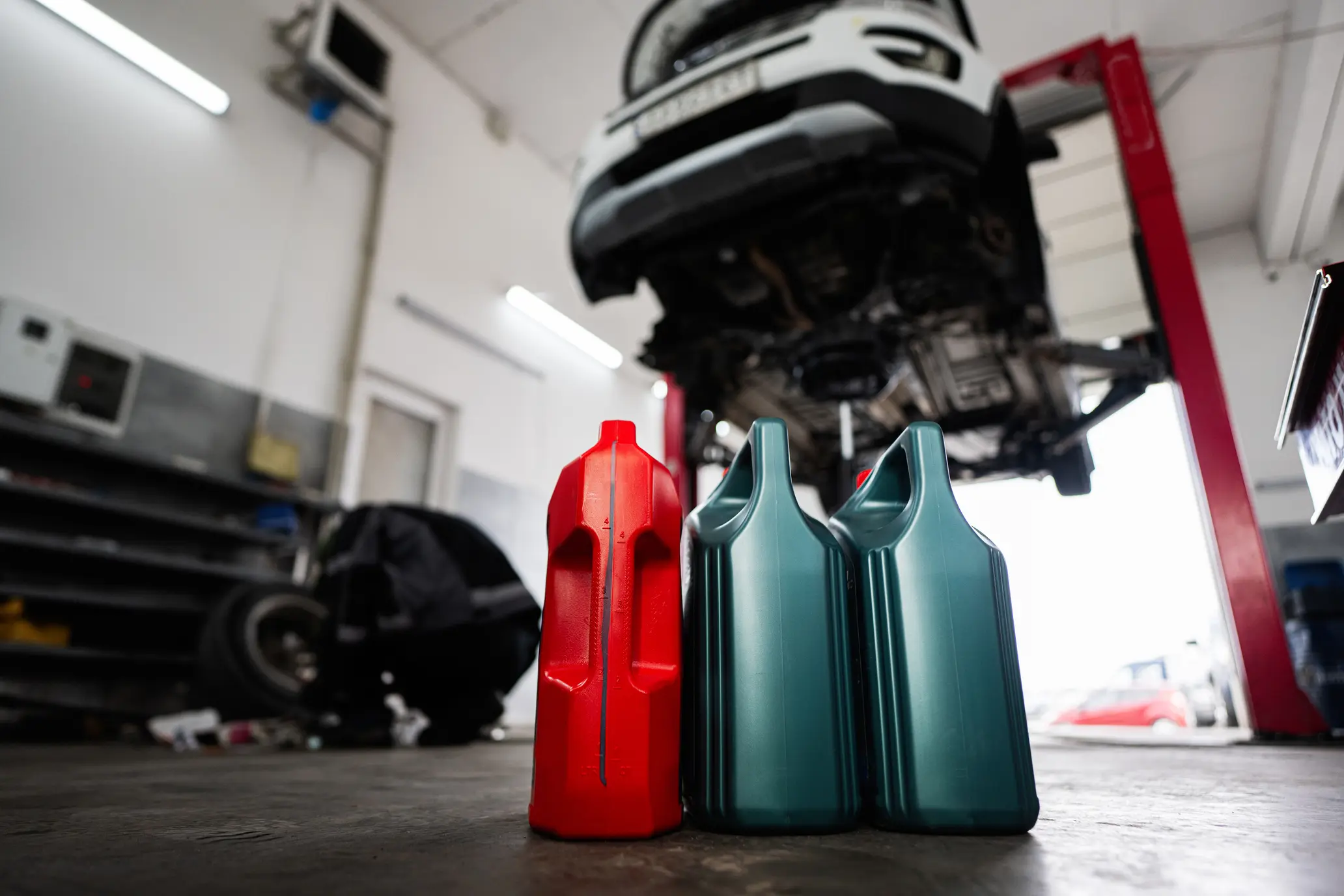
What to Expect During a Full-Service Oil Change at a Garage
Most drivers know an oil change is necessary — but far fewer know what actually happens during one. There’s a difference between a rushed lube job and a thorough, full-service oil change performed by trained technicians who treat your vehicle as if it were their own. At Tower Service Station, that distinction has defined our work for over 60 years. Here’s a clear, honest look at what a proper oil change involves, from the moment you pull in to the moment you drive away.
Checking In: It Starts Before the Hood Opens
A professional oil change doesn’t begin under the hood — it begins at the service desk. A good technician will ask about your vehicle’s age, mileage, driving habits, and whether you have any concerns. This isn’t small talk. It directly influences what type of oil is selected and whether any additional attention is warranted.
Your vehicle’s service history matters here. If you’ve been running conventional oil and are considering a switch to synthetic, the service interval changes — and a knowledgeable technician will flag that.
Selecting the Right Oil: Not One-Size-Fits-All
This is where full-service shops differ from quick lube chains. Oil selection should always follow manufacturer specifications, not what happens to be on the shelf.
Modern vehicles may require:
- Conventional motor oil — suitable for older engines with lower performance demands
- Synthetic motor oil — engineered for tighter tolerances, better cold-weather flow, and longer drain intervals
- High-mileage oil — formulated with seal conditioners for vehicles over 75,000 km
- Synthetic blend — a middle-ground option balancing protection and cost
The oil filter is replaced at every service, without exception. A new filter prevents old contaminants from circulating through a fresh oil supply.
The Drain and Refill: What’s Happening Underneath
Once the correct oil and filter are confirmed, the vehicle is raised and the drain plug is removed. The old oil is fully drained — this takes several minutes when done properly, as rushing it leaves residual oil behind. The drain plug gasket is inspected and replaced if worn, and the filter housing area is wiped clean before the new filter is torqued into place.
Fresh oil is then added to the manufacturer’s specified capacity. Overfilling is just as problematic as underfilling — excess oil creates pressure and can damage seals. A precise fill is part of the job, not a bonus.
The Vehicle Inspection: The Part Most Drivers Don’t Expect
A full-service oil change includes a comprehensive vehicle inspection — and this is where significant value is added beyond the oil itself.
At a professional garage, technicians look at:
- Fluid levels — coolant, brake fluid, power steering fluid, and windshield washer fluid
- Belts and hoses — checking for cracking, fraying, or signs of wear
- Tire condition and pressure — including tread depth and visible damage
- Brake components — a visual inspection of pads and rotors where accessible
- Air filter — both engine and cabin filters are checked
- Lights — headlights, brake lights, and indicators
Many garages now use digital inspection tools to document findings with photos, giving drivers a transparent, visual record of their vehicle’s condition rather than a verbal summary that’s easy to forget.
New Car Warranty and What You Should Know
One concern that holds some drivers back from independent garages is whether servicing outside a dealership voids their new vehicle warranty. It doesn’t — as long as the service follows manufacturer specifications.
In Canada, the Competition Act protects consumers’ right to have their vehicle serviced at any licensed facility without affecting warranty coverage, provided the correct oil type, viscosity grade, and service intervals are followed and documented.
A professional garage uses manufacturer-recommended products and keeps detailed service records precisely to support this. The key is ensuring the right oil spec is used and that the work is documented — both of which are standard practice at a reputable shop.
After the Service: What You Should Receive
Before you leave, a thorough shop will reset your oil life monitor (if your vehicle has one) and provide a clear service summary. This should include:
- The oil type and viscosity grade used
- The mileage at time of service
- The recommended next service interval
- Any inspection findings and their urgency level
Keep your service records. They protect your warranty, support resale value, and give future technicians a useful history to work from.
Keep Your Engine Running the Way It Should
An oil change is the single most cost-effective thing you can do for your engine’s longevity. Fresh oil reduces friction, carries heat away from moving components, suspends contaminants, and prevents the kind of sludge buildup that leads to expensive repairs down the line.
When it’s done right — with the correct oil, a fresh filter, a proper inspection, and honest documentation — it’s more than routine maintenance. It’s a commitment to your vehicle’s reliability.
We’ve been doing exactly that for drivers on Hamilton Mountain since 1959. Whether you’re due for service or just have questions, our team is here to help. Book an appointment by calling 905-574-6166 or visiting towerservicestation.com.

Related Posts


This Post Has 0 Comments