
What should you do when your check engine light comes on? Learn the first steps to take, what to check, and when to seek professional help.
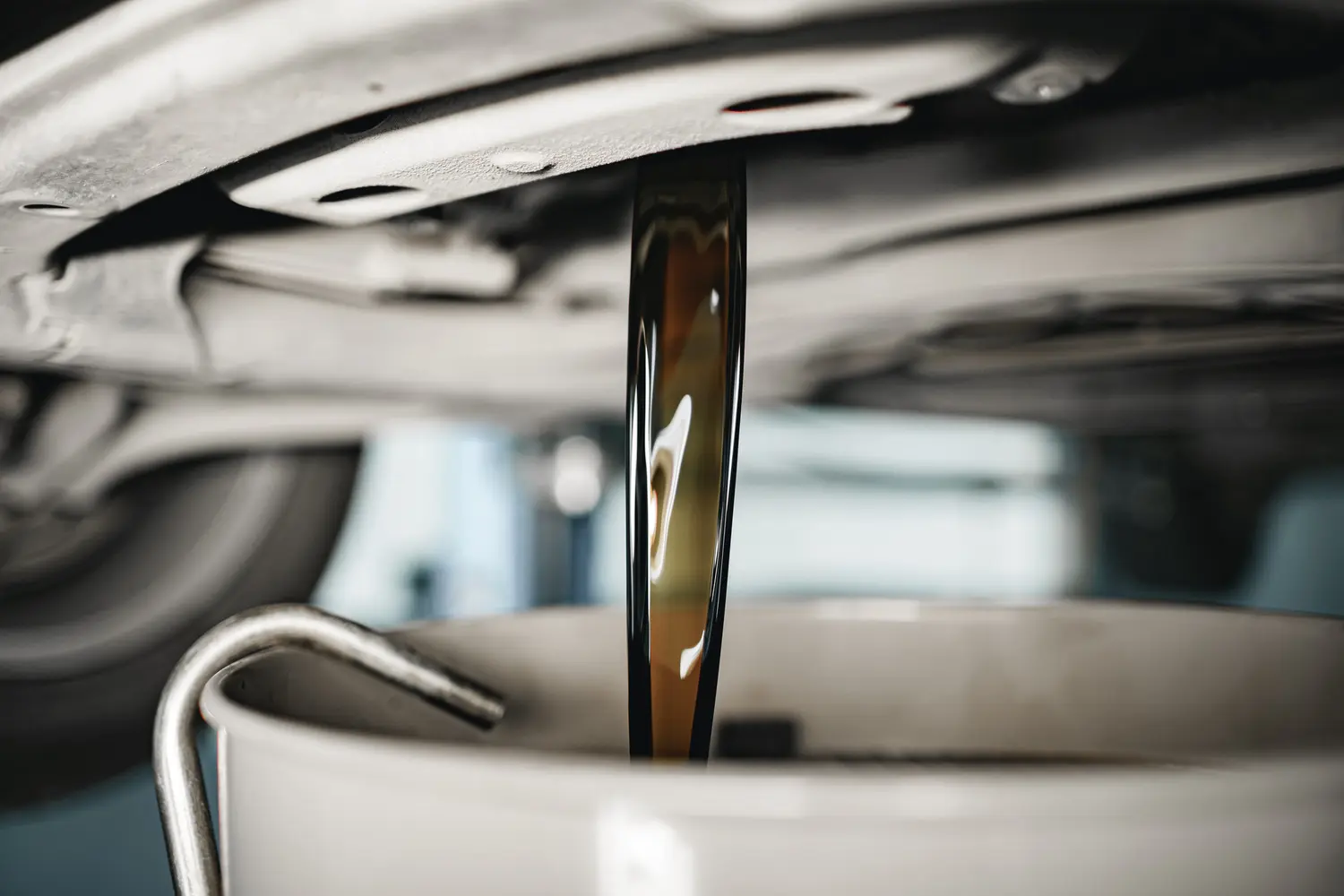
What Happens If You Skip an Oil Change? (Spoiler: It’s Not Pretty)
Your car doesn’t scream when it’s in pain. It whispers — a little extra heat here, a subtle knock there — and by the time it finally raises its voice, the damage is already done. At Tower Service Station, we’ve been servicing vehicles on Hamilton Mountain since 1959, and if there’s one thing over six decades of automotive care has taught us, it’s this: skipping an oil change is never “just this once.”
The Slow and Silent Breakdown of Engine Lubrication
Engine oil does a lot more than most drivers realize. Its primary job is to lubricate the hundreds of moving metal parts inside your engine — pistons, camshafts, crankshafts — so they glide past each other instead of grinding together.
Fresh oil is clean, viscous, and full of additives that protect metal surfaces and neutralize acids produced during combustion. Over time, though, that oil breaks down. It gets contaminated with dirt, metal particles, and combustion byproducts. It loses viscosity. It stops doing its job.
When you skip an oil change, you’re not just running on old oil — you’re running on compromised oil. And compromised oil means compromised protection.
What Old Oil Actually Does to Your Engine
- Increased friction and heat — Metal parts rub directly against each other, generating enormous heat. Sustained heat warps components and accelerates wear.
- Sludge buildup — Degraded oil thickens into a tar-like sludge that clogs oil passages, starving parts of lubrication entirely.
- Accelerated wear on bearings and seals — Bearings are precision components. Even minor abrasion shortens their lifespan significantly.
- Reduced fuel efficiency — A harder-working engine burns more fuel. Studies have shown that degraded engine oil can reduce fuel economy by up to 2%.
- Higher operating temperatures — Oil also helps dissipate heat. When it’s broken down, your cooling system carries more of the burden — and eventually, it can’t keep up.
The Myth of “It’ll Be Fine for a Little Longer”
This is where most engine damage actually happens — not in one dramatic moment, but in the accumulation of “just a little longer.”
Many drivers assume that missing an oil change by a few thousand kilometres is harmless. Manufacturers have increasingly extended service intervals, and synthetic oils do last longer than conventional ones. But longer doesn’t mean indefinite.
The type of oil in your engine matters enormously — conventional, synthetic blend, and full synthetic each have different service lives, and using the wrong one for your driving conditions can be just as damaging as skipping the change altogether.
Your driving habits play a huge role too. Short trips, stop-and-go city driving, extreme temperatures, and towing all put extra stress on your oil. What works as a 8,000 km interval for a highway driver might be dangerously long for someone doing mostly city driving in Hamilton winters.
When Skipping Crosses the Line into Engine Damage
At some point, running on old oil stops being a risk and becomes a guarantee of damage. Here’s the progression most neglected engines follow:
- Stage 1 — Increased wear: Components degrade faster than normal, but the engine still runs. No warning lights yet.
- Stage 2 — Sludge formation: Oil passages partially or fully block. Oil pressure drops. The engine oil warning light may appear.
- Stage 3 — Overheating: With lubrication failing, friction-generated heat spikes. The temperature gauge climbs.
- Stage 4 — Seized engine: In the worst case, metal fuses to metal. This is catastrophic engine failure — and it is not repairable without a full engine replacement.
A routine oil change typically costs between $60–$120 depending on the oil type and vehicle. An engine replacement? Anywhere from $4,000 to $10,000 or more. The math is not subtle.
Your Oil Change and Your New Car Warranty
One thing many drivers don’t consider: skipping oil changes can void your manufacturer’s warranty.
Most new vehicle warranties require documented proof of maintenance performed at the manufacturer’s recommended intervals. If an engine failure occurs and you can’t prove the oil was changed regularly, the manufacturer has grounds to deny your warranty claim — even if the vehicle is relatively new.
A professional oil change isn’t just about the oil itself. It’s about the full-vehicle inspection that comes with it, the proper filter replacement, and the written record that protects you if warranty questions ever arise.
What a Proper Oil Change Actually Includes
A proper oil change is more than drain-and-fill. When done correctly, it involves:
Replacing the oil filter (a clogged filter bypasses oil directly, defeating its purpose), checking fluid levels across the vehicle, inspecting belts, hoses, and brakes for visible wear, and verifying tire pressure. A trained technician looking over your vehicle while it’s already on the lift catches problems early — before they become expensive.
Our licensed technicians at Tower Service Station perform a full digital inspection on every vehicle that comes through the door — using Auto-Vitals technology to give you a complete, transparent picture of your vehicle’s condition. You leave informed, not guessing.
Keep the Engine Running. Keep the Bills Reasonable.
An oil change is the single most impactful, least expensive thing you can do to extend the life of your engine. It’s not glamorous maintenance — it doesn’t come with a dramatic before-and-after. It works precisely because it prevents things from ever getting bad enough to notice.
We’ve been keeping Hamilton’s vehicles on the road for over 60 years, and the customers who’ve stayed with us the longest are the ones who never skipped the basics. If your oil change is overdue — or if you’re just not sure when the last one was — we’ll have you in, inspected, and back on the road without disruption to your day. Give us a call at 905-574-6166 or reach us at info@towerservicestation.com.
Don’t wait for the whisper to become a warning light.

Related Posts


This Post Has 0 Comments