
What should you do when your check engine light comes on? Learn the first steps to take, what to check, and when to seek professional help.
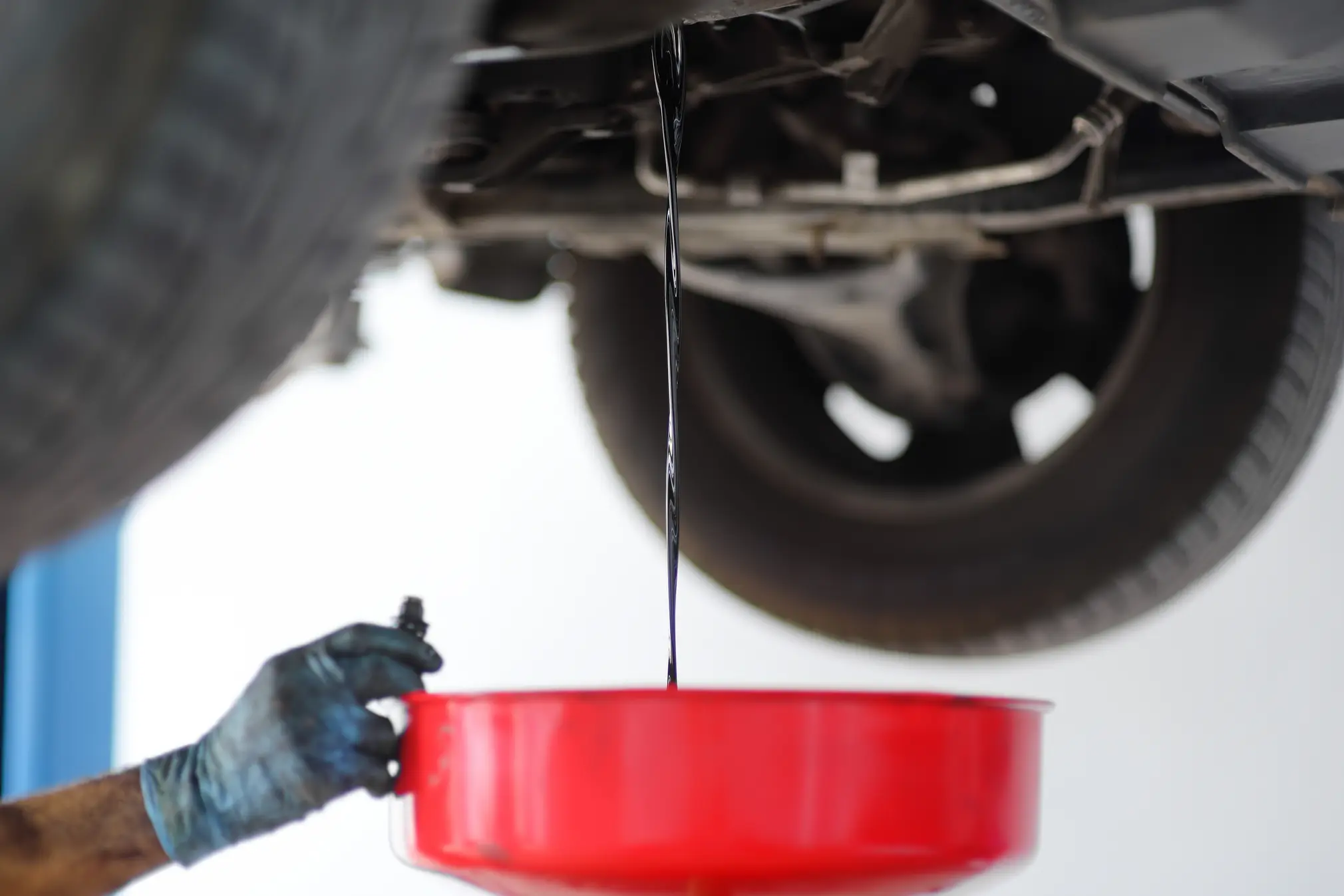
How Much Should an Oil Change Cost in Canada? (Don’t Just Accept Any Price)
You pull into a service station, hand over your keys, and come out $180 lighter — for an oil change. Sound familiar? For many Canadian drivers, the price of a routine oil change feels unpredictable at best and exploitative at worst. The truth is, oil change pricing in Canada varies widely depending on where you go, what your vehicle needs, and whether the shop is being upfront with you.
We’ve been servicing vehicles in Hamilton since 1959, and one of the most common questions we hear is: “Am I being charged fairly?” This guide breaks down exactly what goes into the cost of an oil change — so you never have to guess again.
What Drives the Price of an Oil Change in Canada
Before you can judge whether a price is fair, you need to understand what you’re actually paying for. An oil change isn’t just oil — it’s labour, a new filter, proper disposal of the old oil, and in many good shops, a vehicle inspection included at no extra charge.
Here’s a general breakdown of what factors affect the final number on your invoice:
- Type of oil used (conventional, synthetic blend, or full synthetic)
- Oil capacity of your engine (most passenger cars take 4–6 litres; trucks and SUVs can take more)
- Quality and brand of the oil filter
- Shop overhead and labour rate in your region
- Any add-ons that may be bundled in (top-ups, inspections, tire pressure checks)
Understanding these components helps you evaluate quotes — and spot when something doesn’t add up.
The Real Numbers: Average Oil Change Costs Across Canada
Prices vary by province, city, and shop type. Here’s a realistic range to benchmark against:
Conventional Oil Change: $40 – $80 This is the baseline. A standard passenger vehicle with a conventional oil change at a reputable shop should not be significantly above this range without explanation.
Synthetic Blend: $65 – $100 A middle-ground option that blends conventional and synthetic base oils. Common in newer vehicles that don’t require a full synthetic.
Full Synthetic Oil Change: $90 – $160 Full synthetic commands a higher price due to the cost of the oil itself. For many modern vehicles, it’s what the manufacturer requires. Fully synthetic oil is engineered at a molecular level for improved thermal stability and reduced engine wear, which means it performs differently under the hood than its conventional counterpart — and that performance comes at a cost.
High-Performance or European Vehicles: $120 – $200+ Some vehicles require specific oil grades (like 0W-40 or 5W-30 low-viscosity European specs), which are simply more expensive.
These are honest Canadian market ranges. If you’re being quoted significantly above these numbers without explanation, it’s worth asking why.
Where You Go Matters More Than You Think
Not all oil change providers are equal, and the difference isn’t just price — it’s what you actually get.
Dealerships tend to charge on the higher end. You may be paying a premium for the brand name rather than the quality of service.
Quick lube chains are often faster and cheaper, but speed can come at the cost of thoroughness. Upselling on unnecessary services is a known issue in this category.
Independent licensed auto repair shops often offer the best value. You’re dealing with trained technicians, not a rotating door of entry-level staff, and a good shop will use the manufacturer-recommended oil and filter for your specific vehicle.
When comparing shops, ask: Do they use the manufacturer-recommended oil grade? Do they provide a vehicle inspection with the service? Do they keep records of your service history? These questions separate the shops that care from the ones that just want throughput.
Hidden Costs and Red Flags to Watch For
A low advertised price can be a loss leader — a way to get you in the door before the add-ons start. Here are the warning signs:
- “Starting at” pricing that balloons after inspection
- Pressure to add engine flushes, fuel injector treatments, or transmission fluid checks every single visit
- No clear explanation of what oil grade is being used
- No mention of filter replacement (a filter should always come with an oil change)
- No record of what was done to your vehicle
A legitimate shop will walk you through the service before starting, confirm the oil type being used, and provide you with a clear invoice at the end. If you feel pressured or confused at any point, that’s a signal.
New Car Warranty and Oil Changes: What You Should Know
One of the most common misconceptions among newer car owners is that getting an oil change anywhere other than the dealership voids their warranty. This is not true.
Under Canadian consumer protection principles and the Competition Act, manufacturers cannot require you to use their dealership for routine maintenance in order to maintain your warranty — as long as the maintenance is performed to manufacturer specifications using the correct products.
What this means practically:
- The oil used must meet the grade and standard specified in your owner’s manual
- The service should be documented (dated receipt, oil type, mileage)
- The filter must be manufacturer-approved
An independent shop that follows these specifications is performing a warranty-safe oil change. Always keep your receipt.
How Often Should You Actually Be Changing Your Oil?
The old “every 3,000 km” rule is outdated. Modern vehicles and modern oils have extended these intervals considerably.
A general guide for Canadian driving conditions:
- Conventional oil: Every 5,000 – 8,000 km
- Synthetic blend: Every 8,000 – 10,000 km
- Full synthetic: Every 10,000 – 15,000 km (some vehicles up to 20,000 km)
That said, Canadian winters matter. Cold starts, short trips, and stop-and-go city driving are all classified as “severe” driving conditions by most manufacturers — meaning your interval may be shorter than the standard recommendation. Consult your owner’s manual or ask your technician.
Changing your oil more frequently than necessary isn’t “playing it safe” — it’s an unnecessary expense. A good shop will tell you when you actually need it.
Don’t Pay for What You Don’t Need — Know Before You Go
The best protection against being overcharged is information. Know your vehicle’s oil type and capacity before you walk in. Know roughly what the service should cost based on your region. And choose a shop that treats transparency as a standard, not an option.
At our shop on Hamilton Mountain, we’ve been providing honest, warranty-approved oil change services for over 60 years. Every vehicle that comes through our doors gets a full digital inspection, and our licensed technicians always use the manufacturer-recommended oil and filter — not whatever happens to be in stock. If you’re overdue for a change or just want a second opinion on a quote you’ve received, give us a call at 905-574-6166 or reach out through towerservicestation.com.
An oil change is one of the simplest services your vehicle needs. It should also be one of the most straightforward transactions you have with a mechanic. Hold that standard — you’ve earned it.

Related Posts


This Post Has 0 Comments