
What should you do when your check engine light comes on? Learn the first steps to take, what to check, and when to seek professional help.
Why Is My Check Engine Light On? The Most Common Culprits — and the Easy Ones to Rule Out
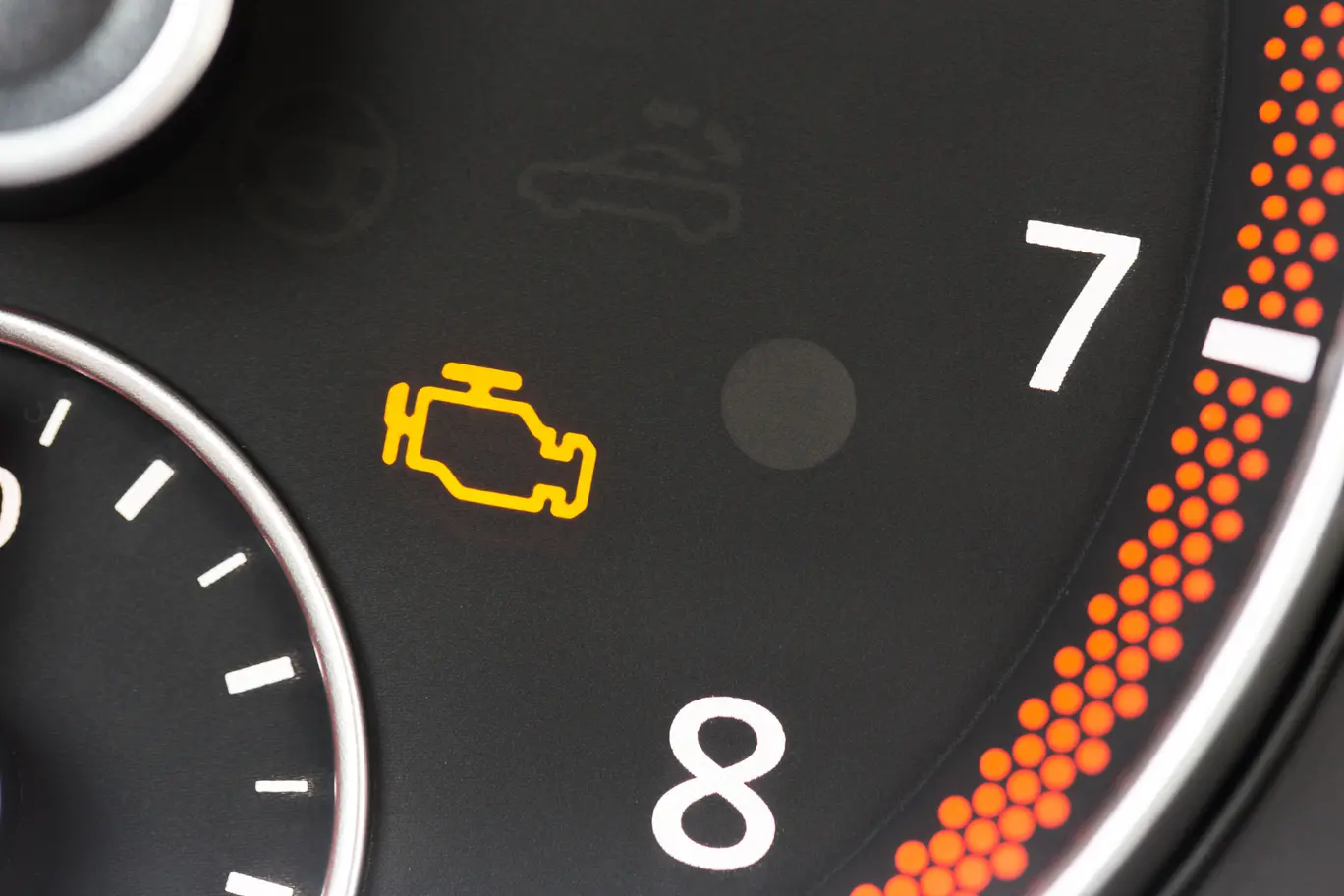
That little amber glow on your dashboard is one of the most misunderstood signals in modern motoring. It doesn’t always mean something catastrophic — but it should never be ignored. We’ve seen every version of this story over our decades serving drivers on Hamilton Mountain, and the truth is straightforward: a check engine light is your vehicle asking for a conversation, not a crisis.
The Loose Gas Cap — the First Thing to Check
Before you worry about anything else, check your fuel cap. A loose, cracked, or missing gas cap is one of the single most common reasons a check engine light comes on, and it costs nothing to fix yourself.
Modern vehicles use an evaporative emission control (EVAP) system to capture fuel vapors before they escape into the atmosphere. When the gas cap doesn’t seal correctly, the system detects a pressure drop and registers a fault code. The fix is as simple as removing the cap and retightening it until you hear it click. If the cap is visibly cracked or worn, replacing it is inexpensive.
Good to Know
After tightening your gas cap, it may take several drive cycles — typically a few days of normal driving — before the light turns itself off. If it stays on well beyond that, the issue is likely elsewhere.
This is the kind of thing a quick visual check takes care of in under a minute. It’s always worth ruling out before anything else.
Oxygen Sensors and the Mass Airflow Sensor
If the gas cap checks out, two of the most frequently diagnosed causes are a failing oxygen (O2) sensor or a dirty mass airflow (MAF) sensor. Both affect how your engine manages the fuel-air mixture, and both generate trouble codes that light up the dashboard.
- Oxygen sensors monitor unburned oxygen in your exhaust. A failing O2 sensor causes the engine to run rich or lean, hurting fuel economy and eventually damaging the catalytic converter if left unaddressed.
- Mass airflow sensors measure how much air enters the engine so the computer can calculate the right amount of fuel. A dirty or failing MAF sensor leads to rough idling, poor acceleration, and increased fuel consumption.
- Most vehicles have between two and four O2 sensors. The location of the fault code tells technicians which one is involved, which is why a proper diagnostic scan — not just clearing the code — is the right first step.
- A MAF sensor can sometimes be cleaned rather than replaced, depending on its condition and the extent of contamination.
A Failing Catalytic Converter
The catalytic converter sits in your exhaust system and converts harmful combustion byproducts into less toxic gases before they exit through the tailpipe. When it begins to fail, the check engine light usually comes on — but so do other noticeable symptoms.
“A rattling sound from underneath the car, a sulphur-like smell, or a significant drop in power are all signs your catalytic converter may need attention.”
Catalytic converters don’t typically fail on their own. They’re usually the downstream consequence of another ignored problem — an unresolved O2 sensor fault, an engine burning oil, or a misfiring cylinder that sends raw fuel into the exhaust. That’s an important distinction: replacing the converter without addressing the root cause means the same problem repeats.
This is also one of the cases where properly reading and interpreting the diagnostic trouble code makes all the difference. A code like P0420 points to catalyst efficiency below threshold — which could mean the converter, but might also trace back to exhaust leaks or sensor issues first.
Worn Spark Plugs and Ignition System Faults
Spark plugs are small but consequential. They ignite the fuel-air mixture in each cylinder, and when they’re worn or fouled, the engine misfires. Misfires are a significant source of check engine light activations — and they’re the scenario where the light might flash rather than stay steady.
- Spark plugs have a recommended replacement interval — typically between 50,000 and 100,000 km depending on plug type and manufacturer specifications.
- Worn ignition coils are another common misfire source. Each cylinder has its own coil in most modern engines, and they can fail independently.
- A misfire code (P030X, where X is the cylinder number) helps technicians go directly to the affected cylinder rather than guessing.
- Staying on top of spark plug replacement — as part of a regular tune-up — prevents misfires before they cause secondary damage to more expensive components.
Steady Light
Drive normally but schedule a diagnostic. The fault is logged and non-critical for the moment, but the issue needs identifying.
Flashing Light
Reduce speed and load. Have the vehicle assessed promptly. This is the system telling you something is actively wrong right now.
The Thermostat and Cooling System Connection
Not every check engine light traces to the fuel or ignition system. The engine’s cooling system — specifically the thermostat — can also trigger a fault code when it’s not functioning within the expected temperature range.
A stuck-open thermostat causes the engine to run too cold, preventing it from reaching normal operating temperature. The engine control module detects this and sets a fault code. Counterintuitively, a cold-running engine is actually hard on fuel economy, emission performance, and internal wear because the engine doesn’t reach the temperature needed for complete combustion and proper oil viscosity.
Worth Noting
A stuck-closed thermostat is the more urgent scenario — it prevents coolant from circulating and the engine overheats. That situation typically triggers both a check engine light and a temperature warning simultaneously. If both are on, stop driving as soon as it’s safe.
Thermostat replacement is a relatively straightforward repair, and addressing it early prevents the kind of overheating damage that turns a minor job into a major one. Keeping the cooling system healthy — hoses, coolant levels, and the thermostat itself — is a core part of long-term engine reliability.
The Light Is On — Here’s the Smart Sequence
The check engine light doesn’t give you a diagnosis on its own. What it does is tell you that the engine control module has stored at least one diagnostic trouble code (DTC). Reading that code — with a proper scan tool — is the starting point for everything else.
Today’s vehicles are genuinely complex systems, far more fuel-efficient and sophisticated than cars of even twenty years ago — which means their onboard diagnostics are equally sophisticated, and correctly interpreting them takes trained eyes and the right equipment.
1. Check the cap first
Confirm the gas cap is tight. If the light appeared right after filling up, this is your most likely culprit.
2. Note the light behaviour
Steady means schedule a diagnostic. Flashing means seek service promptly and reduce engine load in the meantime
3. Don’t clear the code without reading it
Resetting the light without recording the code loses the diagnostic data. The code tells the story — without it, diagnosis becomes guesswork.
4. Get a proper scan and assessment
A full digital inspection identifies the fault accurately — and reveals whether related systems are also affected, so repairs are complete the first time.
One More Thing
Driving with an illuminated check engine light for an extended period can turn a straightforward fix into a compound repair. A fault in one system — left unresolved — often stresses adjacent components. Early attention saves time and cost.
When in Doubt, Let the Diagnostics Speak
We use the latest diagnostic equipment to identify and check engine light faults accurately, and every vehicle that comes through our doors receives a thorough digital inspection outlining exactly what’s going on. Whether it’s a quick sensor read or a deeper repair, we’ll walk you through what’s needed — and only what’s needed. Give us a call at 905-574-6166 or send us a note. We always make time for check engine light concerns, even on short notice.

Related Posts


This Post Has 0 Comments