
Before approving any car repair, ask the right questions. Learn what to ask about pricing, parts, urgency, and diagnostics to avoid unnecessary costs.
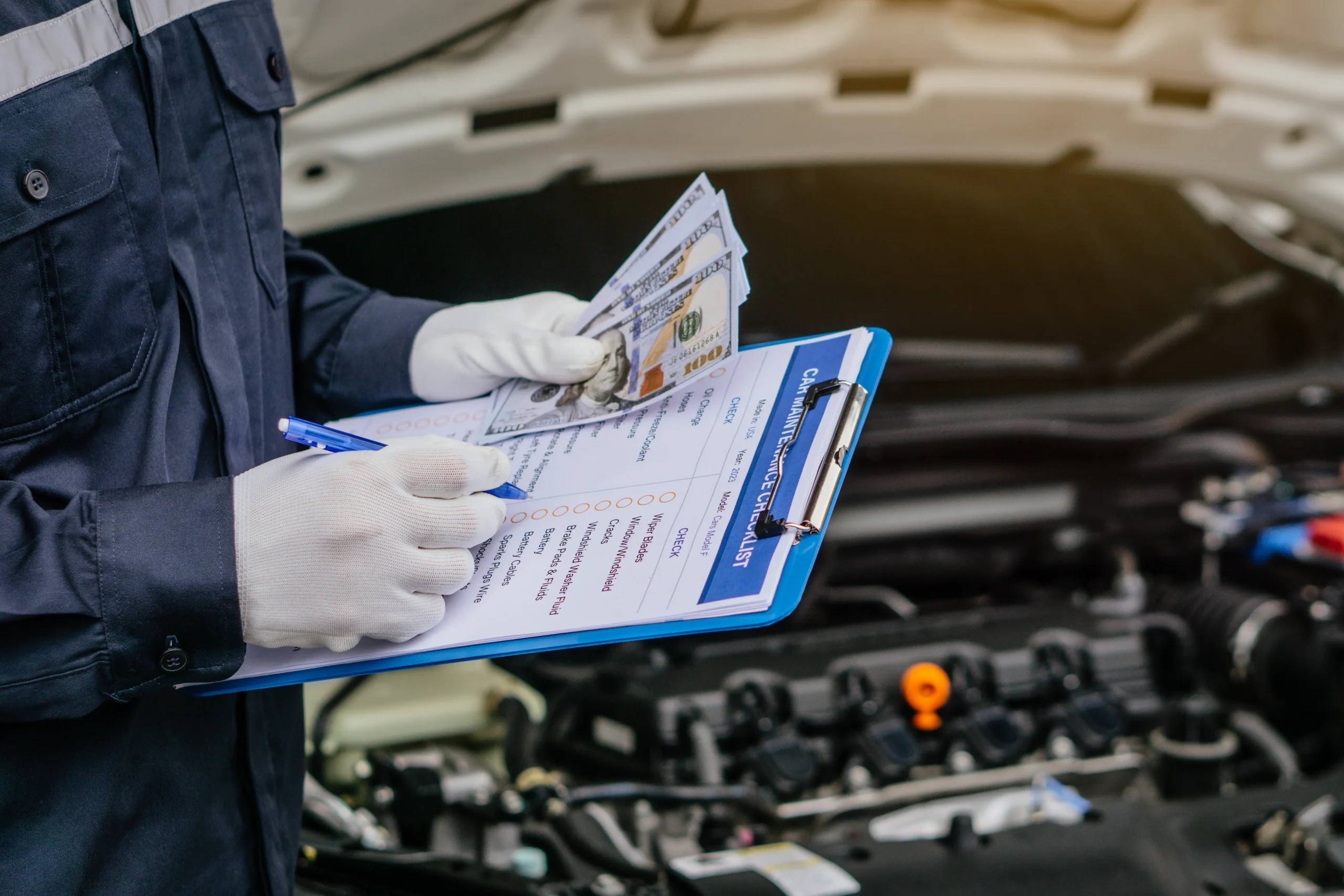
How Much Should Car Repairs Cost? A Rough Guide So You’re Not Flying Blind
Car repairs have a way of catching people off guard, not just mechanically, but financially. One day everything is fine, and the next you’re handed an estimate that makes your stomach drop. At Tower Service Station, we’ve been walking Hamilton drivers through honest, transparent repair pricing for over 60 years, and we know that an informed customer is a confident one.
This guide breaks down what you should realistically expect to pay across the most common repair categories, so you can walk into any shop, ask the right questions, and leave without that nagging feeling of being taken advantage of.
The Oil Change: The Baseline of Car Care
The oil change is the most frequent service your vehicle needs, and it’s also the easiest one to benchmark. It’s a good litmus test for a shop’s overall pricing honesty.
A conventional oil change in Canada typically runs between $40 and $70. A full synthetic oil change, which most modern vehicles now require, generally falls between $80 and $120 depending on the vehicle, oil grade, and filter type. Prices above that range should come with a clear explanation.
What you should always expect for this service: the manufacturer-recommended oil grade for your specific vehicle, a new filter, and a quick visual check of other fluid levels. </span><i><span style="font-weight: 400;">A shop worth trusting will also provide a detailed report of your vehicle’s overall condition, not just hand back your keys and take your money.</span></i><span style="font-weight: 400;"> An oil change that takes five minutes with zero communication is a red flag, not a perk.
If your vehicle is still under a new car warranty, make sure the oil change is warranty-approved. Not all quick lube shops meet that standard.
Brake Repair: Where Safety and Cost Collide
Brake repairs are one of the most misunderstood service categories because pricing genuinely varies, and that variation is legitimate. What you pay depends heavily on whether you need pads only, rotors and pads, or a full brake system inspection.
Here’s a general breakdown of what’s reasonable:
- Brake pad replacement (front or rear): $150 to $300 per axle, parts and labour included
- Rotor replacement (with pads): $250 to $500 per axle depending on vehicle and rotor quality
- Full brake job (all four corners): $500 to $900 for most passenger vehicles
- Brake fluid flush: $80 to $120, recommended every two years or 40,000 km
One important distinction: not all brake parts are equal. OEM-equivalent or Canadian-engineered components, like XTremeStop brake pads and rotors, are designed to exact vehicle specifications and tend to outperform cheap generic alternatives in stopping distance and longevity. </span><i><span style="font-weight: 400;">Always ask what brand of parts is being used and whether they meet original equipment standards before approving the work.
Signs that your brakes may need attention include a soft pedal, grinding or squealing when stopping, or vibration through the steering wheel when braking. Delaying brake service never saves money, it only creates larger repair bills and real safety risk.
Tires: Purchase Price Is Only Part of the Equation
Tire pricing is one area where comparison shopping is straightforward, but people often forget to factor in the full cost of the service. The tire itself is just one line item.
Here’s a realistic cost picture:
- Economy tires (per tire): $80 to $130
- Mid-range tires (Cooper, Hankook, Uniroyal): $120 to $200 per tire
- Premium tires (Michelin, Bridgestone, Continental, Pirelli): $180 to $350+ per tire
- Mounting and balancing: $20 to $30 per tire
- Seasonal changeover (if stored): $50 to $80 for the swap and balance
The right tire for your vehicle depends on your driving habits, road conditions, and whether you need all-season, winter, or summer performance tires. </span><i><span style="font-weight: 400;">Before committing to a set, a knowledgeable technician should help you assess which tire category actually fits your driving conditions, not simply recommend whatever has the best margin for the shop. Buying a tire that’s wrong for your conditions will cost you more in the long run through uneven wear, fuel loss, and compromised handling.
Suspension and Steering: The Often-Overlooked Expense
Suspension work is one of those categories that surprises drivers because the parts sound unfamiliar and the prices can vary widely. But bad suspension isn’t just an uncomfortable ride. It affects tire wear, brake performance, and vehicle handling.
Common suspension repair costs in Canada:
- Strut or shock absorber replacement: $250 to $500 per corner (parts and labour)
- Control arm replacement: $300 to $600 per arm
- Sway bar links: $100 to $200 each
- Wheel alignment (after suspension work): $80 to $120
Any time suspension components are replaced, a wheel alignment is not optional. Skipping it will destroy your new tires within months. A transparent shop will always include alignment in the quote when replacing suspension parts, and if they don’t mention it, that’s a question worth raising before you sign off.
Hamilton roads are notoriously hard on suspension, especially after winter. If your vehicle is pulling to one side, clunking over bumps, or the steering feels loose, a suspension inspection should be your first call, not a reason to just live with it.
Cooling System and Engine Diagnostics: Know What You’re Paying For
Engine and cooling system repairs carry some of the widest price ranges in the industry, which makes this category especially important to understand before handing over your keys.
A check engine light doesn’t always signal an expensive fix. It could be a loose gas cap (free fix) or an oxygen sensor ($150 to $300 including labour). The diagnostic scan itself typically costs $80 to $150, and any reputable shop will deduct that fee from the cost of the repair if you proceed with them.
Cooling system repairs are a different matter:
- Coolant flush: $100 to $150
- Thermostat replacement: $150 to $300
- Radiator replacement: $400 to $800 depending on vehicle
- Water pump replacement: $300 to $700
Modern vehicles are significantly more complex than they were even 20 years ago. Computerized diagnostics using up-to-date equipment is the only reliable way to accurately identify the source of a problem. A flashing check engine light, unlike a steady one, signals that immediate service is needed. Continuing to drive can cause secondary damage that multiplies the original repair cost.
Don’t defer engine-related work. A $250 sensor replacement ignored long enough can turn into a $2,000 catalytic converter job.
When the Price Feels Right: A Word on What to Watch For
Cost is only one piece of the equation. A low estimate means nothing if the work is done with substandard parts, by uncertified technicians, or without a proper inspection of the full vehicle.
A few things a trustworthy repair experience should always include:
- A written estimate before any work begins
- A clear explanation of what is wrong and why the repair is needed
- Transparency about what brand of parts will be used
- A digital or written inspection report of your vehicle’s overall condition
- The option to see the worn parts that were removed
Repair shops that provide a full digital inspection of your vehicle before presenting recommendations give you the ability to verify what genuinely needs attention versus what can wait. That kind of documentation protects you as a customer and separates shops that operate with integrity from those that don’t.
Know the Price, Know Your Rights
Car repair costs in Canada are not regulated by a fixed price list. Labour rates, parts sourcing, and shop overhead all affect what you’ll pay. But that doesn’t mean anything goes.
Understanding average costs for your region, getting a second opinion on major repairs, asking about part quality, and expecting a full vehicle inspection as part of any service visit are all reasonable and normal expectations for any driver.
We believe every vehicle that comes through the door deserves an honest assessment, fair pricing, and service that puts the customer’s safety first, not the upsell. If you have questions about an estimate you’ve received or want a second opinion on a repair, we’re always happy to take a look. Reach us at 905-574-6166 or visit us on the Hamilton Mountain.

Related Posts

This Post Has 0 Comments