
What should you do when your check engine light comes on? Learn the first steps to take, what to check, and when to seek professional help.
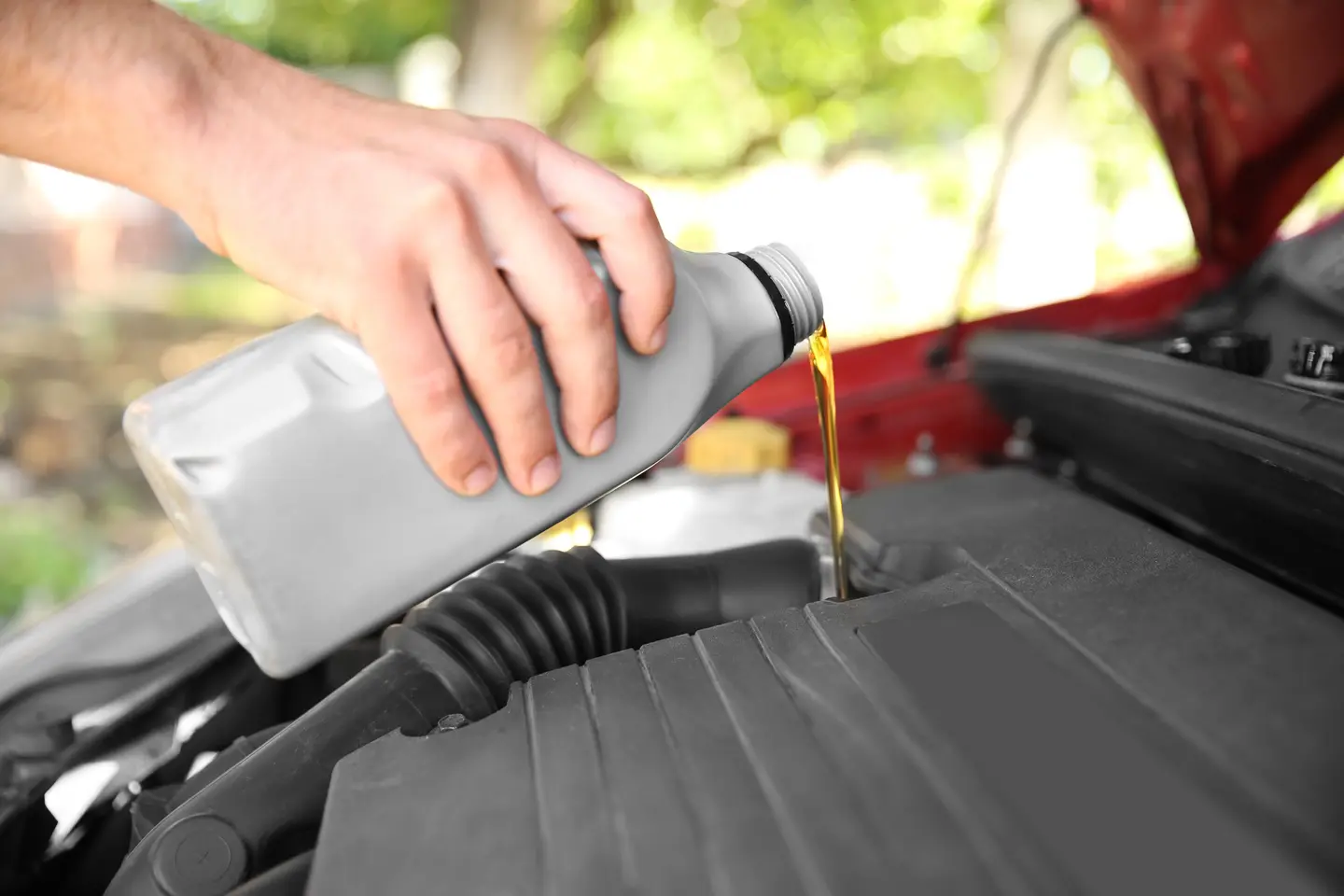
Can You Change Your Own Oil? Pros, Cons, and When to Just Leave It to a Pro
There’s a certain satisfaction in rolling up your sleeves and handling your own car maintenance. And for decades, changing your own oil was considered a rite of passage for any self-respecting car owner. But is it still worth it in 2025? We’ve been keeping Hamilton drivers on the road since 1959, and we know firsthand that the answer isn’t as simple as it used to be. Whether you’re a weekend wrench-turner or someone who’s never popped a hood, this one’s worth reading before you decide.
The Real Cost of the DIY Oil Change
Most people assume changing their own oil saves money. And sometimes, it does — but not always by as much as you’d think.
Here’s the honest math: a quality oil filter runs anywhere from $8 to $20. Motor oil for a standard vehicle costs between $25 and $60 depending on whether you need conventional, synthetic blend, or full synthetic. Add a drain pan, a wrench set if you don’t already own one, and disposal costs (most municipalities charge for used oil drop-off), and your “savings” start to shrink fast.
Motor oil viscosity requirements vary significantly by engine type, and using the wrong grade — even by one specification — can affect fuel economy and engine wear over time.
The DIY route makes the most financial sense if you already own the tools, buy oil in bulk, and plan to do this consistently over many years. For the occasional oil changer? The gap is smaller than most people realize.
What You Actually Need to Do It Right
Changing oil isn’t complicated, but it does require more than just unscrewing a cap. Before you get started, make sure you have:
- The correct oil type and viscosity for your specific make, model, and year (check your owner’s manual)
- A compatible oil filter — not just any generic one
- A drain pan, funnel, and socket wrench with the right sized oil drain plug socket
- A way to safely elevate your vehicle (jack stands, NOT just a floor jack)
- Somewhere to responsibly dispose of the used oil
Skipping any of these steps — especially using the wrong oil or over-tightening the drain plug — can cause real damage. A stripped drain plug or a wrong-spec filter isn’t a small mistake.
Where DIY Gets Complicated: Modern Vehicles
Here’s where things get interesting. Cars built in the last decade have changed dramatically, and that affects how straightforward a DIY oil change really is.
Many modern vehicles have:
- Turbocharged engines that specifically require full synthetic oil at tighter change intervals
- Tight engine bays where the drain plug or filter is awkward to reach without a lift
- Oil life monitoring systems that need to be manually reset after a change
- Hybrid powertrains with unique oil specifications and separate concerns around the electric drivetrain
If you drive a newer vehicle, a hybrid, or anything with a turbocharged engine, the complexity goes up considerably. A mistake during a DIY oil change on a turbo engine, where oil pressure and cleanliness are especially critical, can cause wear that isn’t immediately obvious but shortens engine life significantly.
The Pros of Doing It Yourself
To be fair, there are legitimate reasons people choose to DIY, and they’re worth acknowledging:
- Control over product quality — you can choose exactly which oil brand and filter goes into your engine
- Flexibility — no appointment needed, do it on your own schedule
- Learning your vehicle — getting under the car regularly helps you notice other potential issues
- Satisfaction — for mechanically inclined drivers, there’s genuine value in hands-on maintenance
If you’re methodical, have the right tools, and know your vehicle well, DIY oil changes can work well as part of a consistent maintenance routine.
When It’s Smarter to Hand It Over
Some situations make professional servicing the clearly better call. This isn’t about skill — it’s about practicality and risk.
The type of oil a vehicle needs — conventional, synthetic blend, or full synthetic — is determined by the manufacturer and should never be substituted based on price alone, as it directly affects warranty validity and engine performance.
Consider leaving it to a professional when:
- Your vehicle is still under manufacturer’s warranty (improper servicing can void it)
- You drive a hybrid or electric-assist vehicle with specialized requirements
- You don’t have access to a safe way to lift and support your vehicle
- You’re unsure which oil specification your engine requires
- You’ve had any recent engine work, oil leaks, or unusual consumption
Our oil change service is new car warranty approved, which means your coverage stays intact. Trained, licensed technicians handle the work, and every vehicle receives a full digital inspection using Auto-Vitals technology — so you leave knowing the condition of your whole car, not just the oil.
Your Oil, Your Call — But Know What You’re Deciding
There’s no universal right answer here. Changing your own oil is a reasonable choice for the right driver with the right setup. But it comes with real responsibilities: correct oil selection, proper torque on the drain plug, safe disposal, and resetting your oil life monitor.
For most drivers, the combination of time, tools, and the added value of a full vehicle inspection makes a professional service the better overall value — not just a convenience. When you bring your car to us, you’re not just getting fresh oil. You’re getting experienced eyes on your entire vehicle, the manufacturer-recommended products, and the peace of mind that comes with 60+ years of honest, hometown-style service right here on Hamilton Mountain. Book your next oil change at 905-574-6166 or visit us at towerservicestation.com.

Related Posts


This Post Has 0 Comments