
What should you do when your check engine light comes on? Learn the first steps to take, what to check, and when to seek professional help.
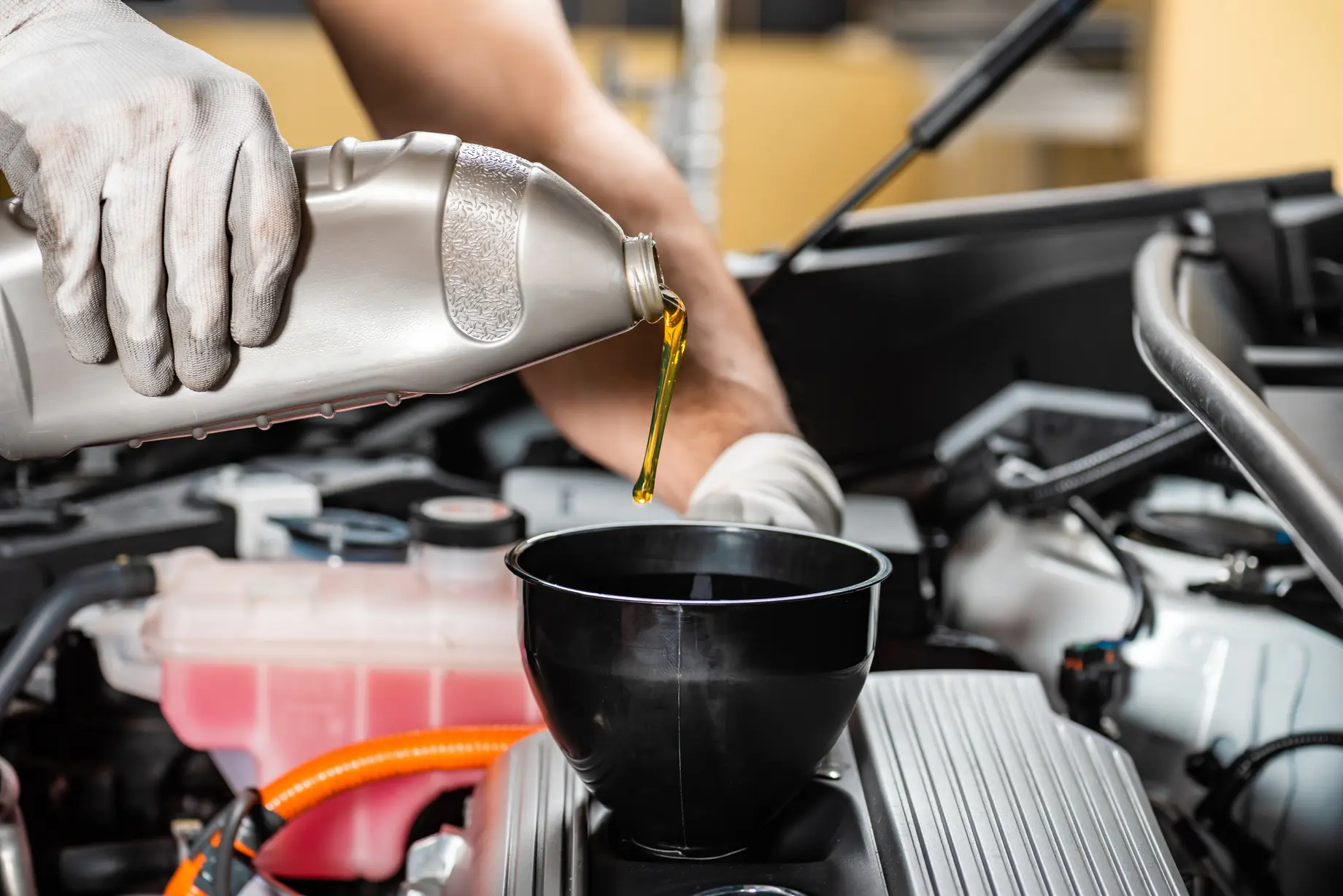
How Long Does an Oil Change Actually Take? Here’s What to Expect
The short answer is: faster than you think. The complete answer depends on more than just the clock.
You’ve carved out a window in your day, dropped your keys at the counter, and now you’re wondering: how long is this actually going to take? It’s one of the most common questions we hear at our shop, and it deserves a straight answer.
We’ve been servicing vehicles on the Hamilton Mountain since 1959, and one thing hasn’t changed: people want to get in, get serviced properly, and get back on with their day. This guide breaks down exactly what happens during an oil change, what affects the time, and how to make the whole experience as efficient as possible.
The Standard Timeline: What a Typical Oil Change Actually Looks Like
For most passenger vehicles, a routine oil change takes anywhere from 30 to 45 minutes at a full-service shop. That window assumes no major complications, the right oil is in stock, and your vehicle doesn’t have any access-related quirks under the hood.
“A proper oil change isn’t just draining and refilling. It includes checking fluid levels, inspecting the filter, torquing the drain plug correctly, and resetting your service indicator. Do it right, and it takes a bit longer than a pop-in lube shop.”
Quick-lube chains often advertise 10-minute turnarounds. While that’s technically possible when a bay is fully prepped and no inspection is involved, speed alone isn’t the whole story. A service that takes 35 minutes but includes a thorough look at your vehicle’s condition is worth far more than one that rushes through in ten.
Factors That Can Make Your Oil Change Take Longer (Or Shorter)
Not every oil change is the same. Several variables influence how long you’ll be waiting, and knowing them ahead of time helps you plan better.
- Oil type:Full synthetic oil is more viscous and takes slightly longer to drain completely than conventional oil. If your vehicle requires a specific synthetic grade, your technician won’t rush the drain.
- Filter placement:Some vehicles have oil filters tucked away in tight spots. Certain European and Japanese models, in particular, require extra access time just to reach the filter housing.
- Vehicle inspection:Shops that perform a full digital inspection alongside the oil change will take longer than those that only change the oil. The inspection adds time, but it adds value.
- Oil drain plug condition:A stripped or overtightened drain plug from a previous service can slow things down significantly and requires careful handling to avoid damage.
- Volume of oil required:High-displacement engines, trucks, and performance vehicles often hold 6 to 8 litres of oil. More oil means more drain time.
- Appointment vs. walk-in:Walk-ins may wait for an available bay. Booking ahead almost always means you’re in a bay sooner and out the door faster.
Vehicles still under their new car manufacturer’s warranty require the correct oil specification and filter to keep that warranty valid. Using the wrong product, even if it’s faster to source, can void coverage. Always confirm your shop is warranty-approved.
Does the Type of Oil Change How Long the Service Takes?
Yes, though the difference is modest. The bigger impact of oil type is on how often you’ll need to return, which ultimately affects how much time you spend at a shop over the course of a year.
Conventional Oil
Typically requires changes every 5,000 km. Drains faster due to lower viscosity. More frequent visits, but each service is slightly quicker.
Full Synthetic Oil
Recommended every 8,000 to 12,000 km depending on the vehicle. Takes a little longer to drain but means fewer annual visits overall.
For most modern vehicles manufactured in the last decade, full synthetic is the manufacturer’s recommendation. Skipping synthetic to save money can actually cost more in the long run through increased engine wear and more frequent change intervals.
What Happens During a Full-Service Oil Change (Beyond Just the Oil)
A shop that genuinely looks after your vehicle doesn’t stop at the oil. While your vehicle is in the bay, a trained technician can assess several other systems. This is where a 30-to-45-minute service earns its value over a drive-through lube stop.
At a full-service shop, a typical oil change service includes:
Oil and filter replacement using the correct manufacturer-specified grade and a quality filter rated for the oil type.
Digital vehicle inspection using diagnostic tools that produce a detailed report on your vehicle’s overall condition, shared directly with you.
Fluid level checks covering brake fluid, coolant, windshield washer fluid, power steering, and transmission fluid where accessible.
Visual underhood inspection including belts, hoses, battery terminals, and air filter condition.
Tire pressure check on all four tires, including the spare where applicable.
Service interval resetso your vehicle’s onboard system accurately reflects when the next oil change is due.
Worth noting: Every vehicle that comes through our bays receives an Auto-Vitals digital inspection. You get a full digital report outlining your vehicle’s condition, not just a verbal summary. That transparency is something we’ve committed to with every single vehicle we service.
When You Shouldn’t Wait and Why Timing Your Oil Change Correctly Matters
Delaying an oil change because you don’t have time is one of those decisions that tends to cost more time in the end. Oil that’s been in an engine too long breaks down, loses its viscosity, and stops protecting internal components the way it should.
For most drivers in Ontario, the seasonal shifts play a role too. Cold starts in winter put enormous strain on engine oil. Thickened, degraded oil struggles to circulate properly during those first few seconds after ignition, which is when most engine wear actually occurs.
Canadian driving context: The old “every 5,000 km or 3 months” rule came from an era of conventional oil and older engine technology. Many modern vehicles now recommend 8,000 to 12,000 km intervals with full synthetic, but the actual interval depends on your driving patterns. Short trips, stop-and-go city driving, and cold weather all qualify as “severe” driving conditions that shorten the recommended interval.
Engine oil doesn’t just lubricate — it also carries heat away from moving parts and keeps combustion byproducts suspended until they’re removed during a drain. When oil becomes saturated with those byproducts, it can no longer do its job effectively regardless of how many kilometres are on the interval sticker.
Your Oil Change, Done Right: How to Walk In Prepared and Walk Out Confident
Knowing what to expect takes the uncertainty out of the process. You don’t need to be a car person to walk into a service appointment with clarity about what your vehicle needs and what a proper service looks like.
A few things that genuinely help: know your vehicle’s oil type from the owner’s manual or your last service report, have a sense of when your last oil change was done, and don’t ignore the service indicator light on your dash — it exists for a reason.
If your schedule is tight, book ahead. A confirmed appointment means a bay is waiting for you, not the other way around. Most full-service shops, including ours, will work with you if you need to drop your vehicle off and pick it up later. Some will even offer you a ride.
The goal on our end has always been the same since we opened in 1959: get your vehicle serviced properly, treat you with honesty, and have you back on the road without the day feeling wasted. An oil change should take about half an hour of your attention. Everything else — the inspection, the report, the peace of mind — comes along for the ride.
Half an Hour. Done Right. Back on the Road.
We’ve been keeping Hamilton drivers moving for over 60 years. Whether you’re due for a routine oil change or just want to know your vehicle is in good shape before the seasons change, we’re here for it.
Our oil change service is new car warranty approved, and every vehicle gets a full digital inspection report — no guessing, no surprises.

Related Posts


This Post Has 0 Comments